I’ve Been Scared To Call It A Pivot
I have been dancing around the term “pivot” for a few months. It felt like an admission of defeat. Like we made a mistake, and we’re using “pivot” instead of “mistake” in the hope you don’t notice that we’re correcting it.
But I got over that as soon as I started considering other pivots. I’ve come to realize that pivoting is a natural part of doing business. In fact, just about every company I can think of has pivoted. Often more than once.
YouTube was an online dating service. Netflix rented DVDs in the mail. (Those were the days, am I right?)
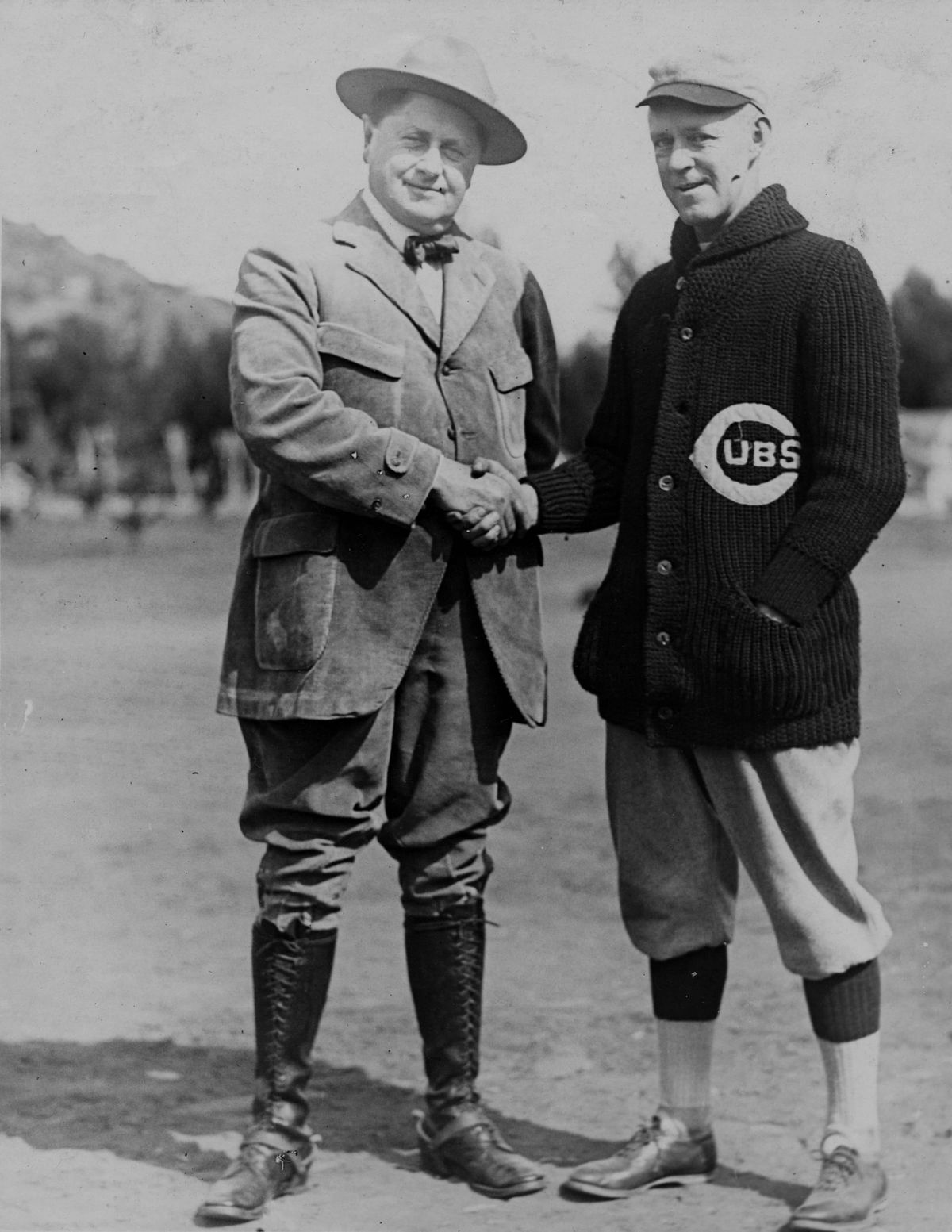
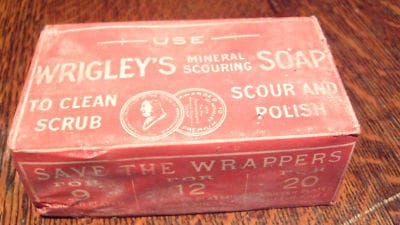
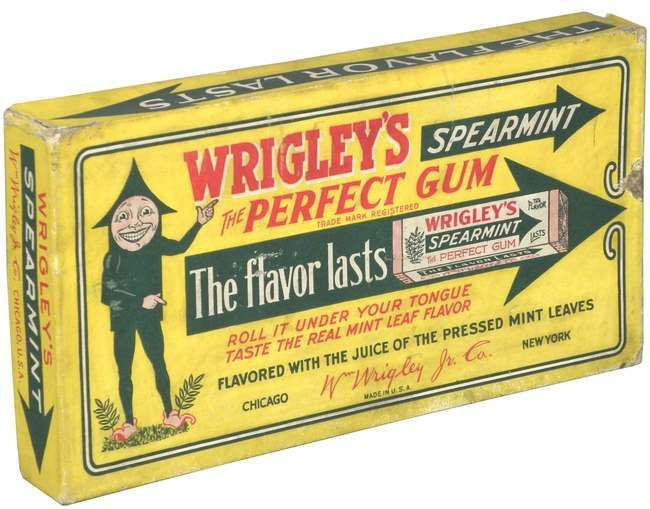
In the late 1800s, before William Wrigley Jr. founded what we know as Wrigley’s chewing gum, he pivoted twice. First, his company sold soap. To sweeten the deal, he started giving people baking powder along with the soap. Later, he realized baking powder was the better offer, and he started giving people chewing gum when they bought his powder. You see where this is going?
And though not all pivots are because of mistakes, even if your pivot is because of a mistake, well that too is normal.
One of my favorite German entrepreneurs, Mirco Wolf Wiegert, who founded fritz-kola with a university friend, grew his soda company into a beloved national brand that rivals Coke in certain categories. Mirco once described his business journey as 12,000 mistakes.
So when it came time to explore a pivot at WestWord, the first step was to just admit it to ourselves. We’re pivoting.
The Situation
WestWord 1.0
Tommy, my cofounder, and I have had similar careers. We both worked as journalists for years. (Tommy still writes for National Geographic occasionally.) And before we started WestWord, we’d become experienced marketers, with time spent on both the agency and corporate side, with heavy doses of social media and PR along the way.
When we started WestWord, we decided to lean heavily on our background as professional writers, positioning ourselves as a strategy and copywriting “studio.”
We felt confident.
But the beginning of WestWord coincided with the rise of generative AI, and very quickly the market for copywriting started to change. (It is not dead. In fact we still get plenty of copywriting work. But it feels unstable, and you don’t want to build a company on instability.)
For us, this didn’t matter too much though, since it was our strategy work that was carrying us. We were fortunate enough to find several early customers who needed as much cultural and strategic help as they did copywriting. (The most visible was Engelbert Strauss, whom we helped to enter the US market.) And we quickly built a portfolio that emphasized our growing strategy and consulting chops.
WestWord 2.0
This, in retrospect, was our first pivot. We were no longer pursuing copywriting opportunities as much as we were opportunities as strategists, with an emphasis on German companies looking to do business with Americans.
But almost as soon as we started to look for work there, President Trump began his tariff campaign, and the already niche market we’d had our eye on shrank further.
WestWord 3.0
Which brings us to today. Tommy and I sat down earlier this summer and asked the hard question: Where is our next customer going to come from?
We realized that we needed to position ourselves in a place where we had credibility and differentiation from day 1 but in a space where the total addressable market (TAM) was much, much bigger than in our previous iteration.
We started by asking ourselves where we bring the most value, and we realized that was often in two places: PR and social media. PR is something we’ve experienced on both sides of the fence, so to speak—as both journalists and PR people. Social media is something we came of age with, both privately and professionally. And both sit on top of our core skill as writers and storytellers.
The next question: As two US citizens running a company in Germany, where does our passport help us the most (or hurt us the least)?
The more we discussed, the more we realized that it was not in big companies, but smaller ones. And that the businesses that we can serve the best are likely startups and other small businesses looking to hone their message, land some publicity, and ultimately find investors.
What this means?
It does not mean cutting ties or stopping the work that we’re currently doing. What it means right now is testing, with an eye to have our offer completely dialed by the Bits and Pretzels conference in Munich in September. (Side note: if you're going to be there, please let me know. Would be cool to connect in-person.)
Here's how that process looks:
Step 1: We put together a test offer. It’s a rundown of deliverables and strategy guidance that we think would be valuable to our target group of German startups.
Step 2: Feedback. We shared it with contacts we have in the German startup community, both on the investor and the founder side. Not gonna lie: The feedback has been amazing. (So amazing that if we were in the US I would be suspicious that nobody was telling me the truth. German honesty is a godsend sometimes.)
Step 3. Trial run. This is where we are right now, doing the work for a couple startups at low/no cost in exchange for feedback and the opportunity to use them as a case study. We kick off tomorrow!
Step 4: Finalizing the offer. Using the info we get from step 3 we will have a much better idea of what it takes from us, what value it brings to our customers, how it can be strengthened, and what it will cost.
Step 5: Begin marketing. Find and close leads.
Step 6: Profit 🙂
My Content Diet
A book: I am a musician. I have been for most of my life, and in many ways I’m more comfortable with the label of “artist” than I am “businessman.” As such, I occasionally read books that are about the artist's path. I’m reading a really good one right now called Effortless Mastery. It’s a philosophy of musical study and performance that makes the process less intimidating. I’m not quite done but I recommend it all the same. It's the kind of book that makes me look forward to practicing in the evening.
A TV show: I have a confession to make. I love Gordon’ Ramsay’s Kitchen Nightmares. A bunch of them are on YouTube now, and I have been watching them in the evenings (and sometimes at lunch). The premise of the show is that Gordon Ramsay, one of the most well-known and successful chef’s of our time, goes into struggling restaurants and helps them turn it around. Part psychologist, part businessman, part chef, Ramsay starts by trying to figure out what went wrong to begin with, and this is the part that has come to fascinate me the most. Because often the restaurants were once successful but have fallen on tough times. Why? Usually it’s one of two things. Either the chef has become depressed or there is tension between family members. The episodes are like little case studies into how a lack of (self)respect can derail any operation.
This newsletter is brought to you by my company:

Thanks for reading! If you are enjoying this newsletter, the best way you can support me is to share it with someone else you think will enjoy it!